
Compassion in Every Conversation
Small moments of kindness and communication create lasting trust.
At Saber, customer service is more than being polite. It’s about empathy, trust, compassion, and creating meaningful human connections.
In this course, you’ll learn practical strategies to:
-
- Communicate with confidence
- Handle difficult conversations professionally
- Build trust with residents and families
- Create positive experiences through empathy and respect
Thank you for the care and compassion you bring to our residents each day.
Turning Care Into Connection
Every interaction is an opportunity to make someone feel valued, heard, and respected.
Residents and families may not remember every detail of their day, but they will remember how they felt in your care. A warm greeting, a patient conversation, or a few extra moments of kindness can create comfort, trust, and meaningful connection during important moments in their lives.
“Small moments of compassion can leave a lasting impact.”
Small Moments Matter
Simple actions can make a meaningful difference every day:
- Greeting residents by name
- Making eye contact
- Listening without rushing
- Offering reassurance during stressful moments
- Speaking with patience, kindness, and respect
These everyday interactions help residents and families feel safe, supported, and cared for.
The care you provide goes beyond daily tasks and responsibilities. Through empathy, patience, and communication, you help create an environment where residents and families feel comfortable, valued, and truly cared for every day.
Active Listening
Listening with patience and attention helps residents and families feel heard, valued, and respected.
Key Skills
✔ Give your full attention
✔ Avoid interruptions
✔ Acknowledge concerns respectfully
▼Examples and Tips
Active listening means:
-
- Giving your full attention
- Avoiding interruptions
- Maintaining eye contact
- Asking thoughtful questions
- Acknowledging concerns with empathy and respect
Small actions can make a meaningful difference. A calm response, attentive body language, and taking time to truly listen can help residents and families feel supported and understood.
-
- “I understand your concern.”
- “Thank you for sharing that with me.”
- “Let me make sure I understand.”
- “How can I best support you?”
Clear Communication
Clear communication helps residents, families, and coworkers feel informed, supported, and respected.
Key Skills
✔ Speak calmly and respectfully
✔ Use clear and simple language
✔ Explain next steps when possible
✔ Listen carefully before responding
▼Examples and Tips
- Use specific timeframes whenever possible
- Avoid rushed or unclear responses
- Confirm understanding before ending conversations
- “Let me explain what will happen next.”
- “I’ll help connect you with the right person.”
- “Thank you for your patience.”
Problem Solving
Problem solving helps create positive experiences by addressing concerns with professionalism, patience, and compassion.
Key Skills
✔ Stay calm under pressure
✔ Listen carefully to concerns
✔ Work toward helpful solutions
✔ Follow up when needed
▼Examples and Tips
The S.O.L.V.E. Approach
- S — Stay calm
- O — Observe the situation
- L — Listen carefully
- V — Verify possible solutions
- E — Execute and follow up
Helpful Reminder
Even if you cannot solve the issue immediately, taking ownership and helping someone feel supported can make a meaningful difference.
Empathy in Action
Empathy helps residents and families feel safe, heard, understood, and cared for during important moments in their lives.
Key Skills
✔ Listen with patience
✔ Acknowledge emotions respectfully
✔ Offer reassurance and support
✔ Treat everyone with dignity and compassion
▼Examples and Tips
- “I understand this may feel frustrating.”
- “Thank you for sharing your concerns.”
- “Let’s work through this together.”
- “I’m here to help support you.”
Small Moments Matter
Simple acts of kindness, patience, and understanding can create comfort, trust, and meaningful connection for residents and families every day.
Why it Matters- At Work and Beyond
Customer service skills are more than workplace expectations. They help create trust, strengthen relationships, and improve communication in everyday interactions both professionally and personally.
The way we speak, listen, and respond to others can shape how people feel during important moments. In healthcare, compassion and communication can provide comfort, reassurance, and support to residents and families. Beyond the workplace, these same skills help build stronger relationships with coworkers, friends, family members, and the people around us.
“The way we make people feel matters both at work and in everyday life.”
Whether supporting a resident, helping a coworker, or communicating with loved ones, small moments of kindness and compassion can make a meaningful difference.
Every interaction is an opportunity to demonstrate professionalism, empathy, patience, and respect. These skills help create stronger workplaces, better relationships, and more meaningful human connections every day.
Quick Communication Reminders
Small communication habits can make a meaningful difference in how residents, families, coworkers, and visitors feel supported, respected, and cared for each day.
✔ Do This:
-
-
- Greet warmly: Smile, make eye contact, and say hello.
- Be present: Put phones away during work hours or when spending time with others.
- Use respectful language: Speak clearly, calmly, and kindly - even under stress.
- Dress appropriately: Follow the dress code at work and dress neatly in public settings.
- Engage with empathy: Treat others- residents, families, coworkers, friends, and strangers- like you would want your loved ones treated.
- Be reliable: Show up on time, follow through on commitments, and communicate if plans change.
- Practice self-awareness: Notice how your tone, body language, and attitude affect others.
-
-
-
- Ignoring people who are speaking to you
- Using your phone during conversations or meals
- Avoiding eye contact or appearing disinterested
- Speaking in a rushed or dismissive tone
- Wearing earbuds while interacting with others
- Gossiping, complaining excessively, or spreading negativity
- Showing up late or canceling plans without notice
-
Standards for Interactions
Every interaction should reflect respect, compassion, and professionalism. How we communicate with residents, families, coworkers, and visitors shapes their overall experience.
Respect
___
Treat everyone with dignity and kindness
Communication
___
Speak clearly, calmly, and professionally
Listening
___
Give others your full attention
Empathy
___
Respond with patience and understanding
Teamwork
___
Support coworkers and work together positively
Accountability
___
Follow through and help guide solutions
Handling Concerns and Complaints
Concerns and complaints are opportunities to build trust, demonstrate professionalism, and improve the experience for residents, families, and coworkers.
When people feel heard, respected, and supported, even difficult situations can lead to positive outcomes.
“People may forget the issue, but they will remember how they were treated.”
L.A.S.T Method
-
-
- L – Listen:
Give the person your full attention. Make eye contact, stop what you’re doing, and let them speak without interrupting. Sometimes, people just need to feel heard. - A – Apologize:
Even if the issue isn’t your fault, a sincere apology shows empathy. Try:
“I’m really sorry you’re feeling this way.” or “I understand why that would be upsetting.” - S – Solve:
Take action or find someone who can. Be honest about what you can do and follow through.
“Let me check on that and get back to you in a few minutes.” - T – Thank:
Always thank the person for bringing the issue to your attention. It shows respect and keeps the door open for future communication.
“Thank you for letting us know. We appreciate your feedback.”
- L – Listen:
-
Use the L.A.S.T. method to help you stay Calm, Confident, and Compassionate, even in the toughest moments. It’s a skill that not only improves your work relationships but also strengthens how you handle challenges in everyday life.
❌ What Not to Do
When To Escalate a Concern
Enhance Your Customer Service Skills
If you're looking to grow as a leader and truly challenge yourself, these customer service courses are a great place to start. Whether you're an Administrator, front line staff, or a department head, these trainings are designed to help you lead with empathy, effectiveness, and excellence.
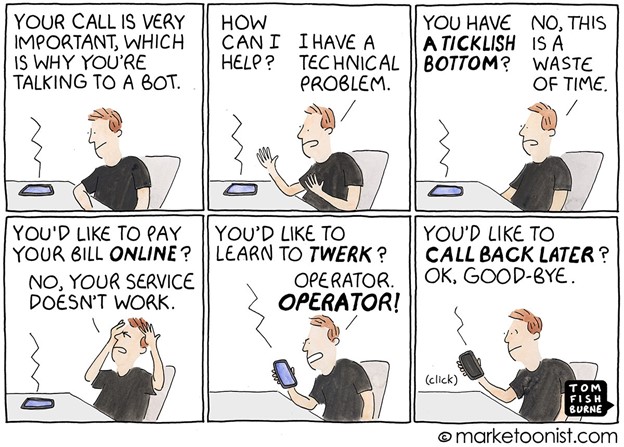
🟣Turning Complaints into Compliments – The Key to Customer Service
Offered by AHCA for just $25, this course is one of the most impactful trainings available for leadership roles. Learn how to transform negative feedback into opportunities for growth and build a culture of exceptional service.
🔵Additional Courses Available on Relias
-
-
-
Providing Customer Service
-
Customer Service in Dining Rooms
-
Customer Service: Adapting to your Customer Cues
-
Customer Service: Discovering Customer Needs
-
Customer Service: Engaging with Customers
-
Customer Service: Fostering a Service Mindset
-
Customer Service: Generating Effective Solutions
-
Customer Service: Strengthening Your Service Skills
-
-
🟠Alison Customer Service Training Courses