
Becoming an Effective Mentor

Great mentoring as a manager isn’t about having all the answers, it’s about creating the conditions for people to grow, explore opportunities, overcome challenges, and feel supported in their career paths.
As a mentor, you have the opportunity to make a significant impact on the personal and professional growth of your mentee. Mentorship is a powerful tool that fosters development, builds relationships, and enhances the overall work environment.
Being a mentor allows you to share your knowledge and experience, helping others navigate their careers and overcome challenges. It provides a sense of fulfillment as you witness your mentee's growth and success. Additionally, mentoring will enhance your leadership skills, improve your communication abilities, and strengthen your professional network.
This guide provides tips, conversation topics, and insights to help you become an effective mentor, ensuring that both you and your mentee thrive in the Saber community.
Traits of a Great Mentor
Active Listening
Active listening is the intentional process of fully concentrating, understanding, responding, and remembering what the other person is saying, beyond just hearing words.
Core Elements:
-
- Full attention (no distractions, looking at your phone or computer)
- Nonverbal cues (eye contact, nodding)
- Feedback loops (clarifying questions, paraphrasing)
How to Recognize Verbal and Nonverbal Cues
Verbal Cues to Pay Attention To:
-
- Hesitation or pauses
- Repetition of words or themes
- Tone shifting (frustration, sadness)
Nonverbal Cues to be Aware of:
-
- Eye contact (or lack thereof)
- Body posture (closed vs. open)
- Fidgeting, sighs, silence
- Facial expressions (tight lips, raised brows)
Whether you’re aware of it or not, when you interact with others, you’re continuously giving and receiving wordless signals that send strong messages.
Techniques for Active Listening
- Paraphrasing: Rephrases the mentees message to confirm understanding
“So what I’m hearing is that you felt unsupported by your supervisor during the meeting?”
- Summarizing: Offers an overview of what's been shared
“Lets think about this, so far you have brought up 3 concerns about this team member…."
- Reflecting: Acknowledging someone's emotions to a situation
“That sounds really overwhelming”
Empathy & Emotional Intelligence
Emotional intelligence isn't something that can be mastered in a five-minute read, but the points below will help you start understanding and developing your own emotional intelligence.
It's the ability to RECOGNIZE your own emotions, UNDERSTAND the emotions of other, MANAGE your emotional responses effectively and USE that emotional awareness to guide interactions and decisions.
Tips for Building Empathy:
-
- Put yourself in the mentee’s shoes: Ask yourself, “How might I feel if I were in this situation?”
- Avoid jumping into problem-solving too soon let the mentee talk and reflect.
- Acknowledge their feelings even if you don’t fully understand, you may not agree with how someone feels but that doesn't mean that they shouldn't feel a certain way
Resources to Strengthen your Emotional Intelligence:
Learn more about Emotional Intelligence in the workplace and tips for improving your emotional intelligence
12 emotional intelligence examples (Plus ways to show it at work) | Indeed.com UK
Body Language
“The most important thing in communication is hearing what isn’t said.” — Peter Drucker
Body language is so important, especially when you are mentoring others because it communicates more than words can. It doesn't just affect how your message is received, it also shows how supported your mentee can feel.
Reading and using body language effectively allows mentors to:
-
- Detect when a mentee is confused, overwhelmed, or uninvested
- Respond with greater empathy and emotional intelligence
- Build a deeper, more trusting connection, without saying any words
Negative Body Language:
-
- Looking at your phone or computer
- Crossing arms defensively
- Leaning back
- Avoiding eye contact, looking at people/things in the room
- Fidgeting or checking the time
- Tapping your finger or hand
- Interrupting
Positive Body Language
-
- Eye contact
- Open posture
- Nodding occasionally (not excessively)
- Leaning slightly in or a gentle smile
- Relaxed face
- Calm responses and tone of voice
Conversation Starters for Mentors
Starting meaningful conversations with your mentee is the key to building trust and understanding their goals. We know it can feel a little awkward at first, especially when you're just getting to know someone. These conversation starters are here to help break the ice.

Tips for Effective Conversation Starters
1. Start with Curiosity, Not Critique
Begin with open-ended questions that invite sharing, like:
“How did your shift go today?” or “What part of your job do you enjoy most?”
2. Make It Personal (But Professional)
Show genuine interest in the person, not just their performance:
“What brought you to long term care?”
3. Use Observations, Not Assumptions
Frame your comments around what you’ve noticed:
“I saw how you handled that resident’s concern, how did that feel for you?”
4. Normalize Growth and Learning
Set a tone that feedback and reflection are part of the culture:
“We all have areas we’re working on, what’s one thing you’d like to improve this month?”
5. Keep It Conversational, Not Formal
Avoid sounding like an evaluation. Try:
“What’s been going well for you lately?” or “Is there anything you’d like support with?”
6. Use “What” and “How” Questions
These encourage deeper responses than yes/no questions:
“What’s been the most rewarding part of your week?” or “How do you usually handle stressful moments during your day?”

Getting to Know Them
“What do you like to do outside of work or on weekends?”
“What’s a random fact about you most people don’t know?”
“How did you end up in this field?”
“What is your favorite type of food?”
“Are you more of a coffee or tea person?”
Learning Their Work Style
“What’s something you would love to try but haven’t yet?”
“Where do you see yourself in the next year or two?”
“What’s your ideal way to learn something new; watching, doing, reading?”
Exploring Challenges
“Is there anything that has been frustrating for you in your new role?”
“Is there anything you wish you have been stuck on or need more support with?”
“Have you hit any roadblocks recently?”
Building the Relationship
“How do you like to get feedback?”
“What’s the best way for us to stay in touch—email, texting, TEAMs calls, phone calls?”
“How often would you like to check in?”
“What’s something I can do to be a better mentor for you?”
Say it Right: Constructive Feedback for Mentors
As a mentor, your feedback plays a vital role in shaping compassionate, competent individuals. Whether you're guiding a new hire or supporting a seasoned team member, the way you deliver feedback can either build confidence or create hesitation. These key principles will help you provide feedback that encourages growth, maintains morale, and strengthens your professional relationship.
Key Principles
- Be Specific: Vague feedback like “Do better” isn’t helpful. Instead, say:
“Your presentation was clear, but adding more data to support your points would make it stronger.” - Focus on Behavior, Not the Person: Address actions, not character.
“You missed the deadline” is better than “You’re unreliable.” - Balance Positive and Constructive: Use the “feedback sandwich”:
“You did a great job organizing the report. One thing to improve is proofreading for grammar. Overall, your structure made it easy to follow.” - Make It Timely: Give feedback soon after the event while it’s still fresh. “I read through your report this morning and wanted to give you some feedback”
- Invite Dialogue: Ask for their perspective:
“How did you feel that went?” or “What would you do differently next time?”
Poor Feedback: “You’re not good at leading meetings.”
Good feedback: “In today’s meeting, I noticed the agenda wasn’t followed closely, which led to some confusion. Next time, try setting time limits for each topic to keep things on track. You’re great at engaging the team—let’s build on that.”
Poor Feedback: "You're not participating enough in the PATH meetings, you need to try harder"
Good Feedback: "I've noticed you are a bit quite during the PATH meetings. I know the families and residents really enjoy hearing your thoughts. If there is anything I can do to help you feel more comfortable, please let me know."
Mentoring Across Generations and Cultures
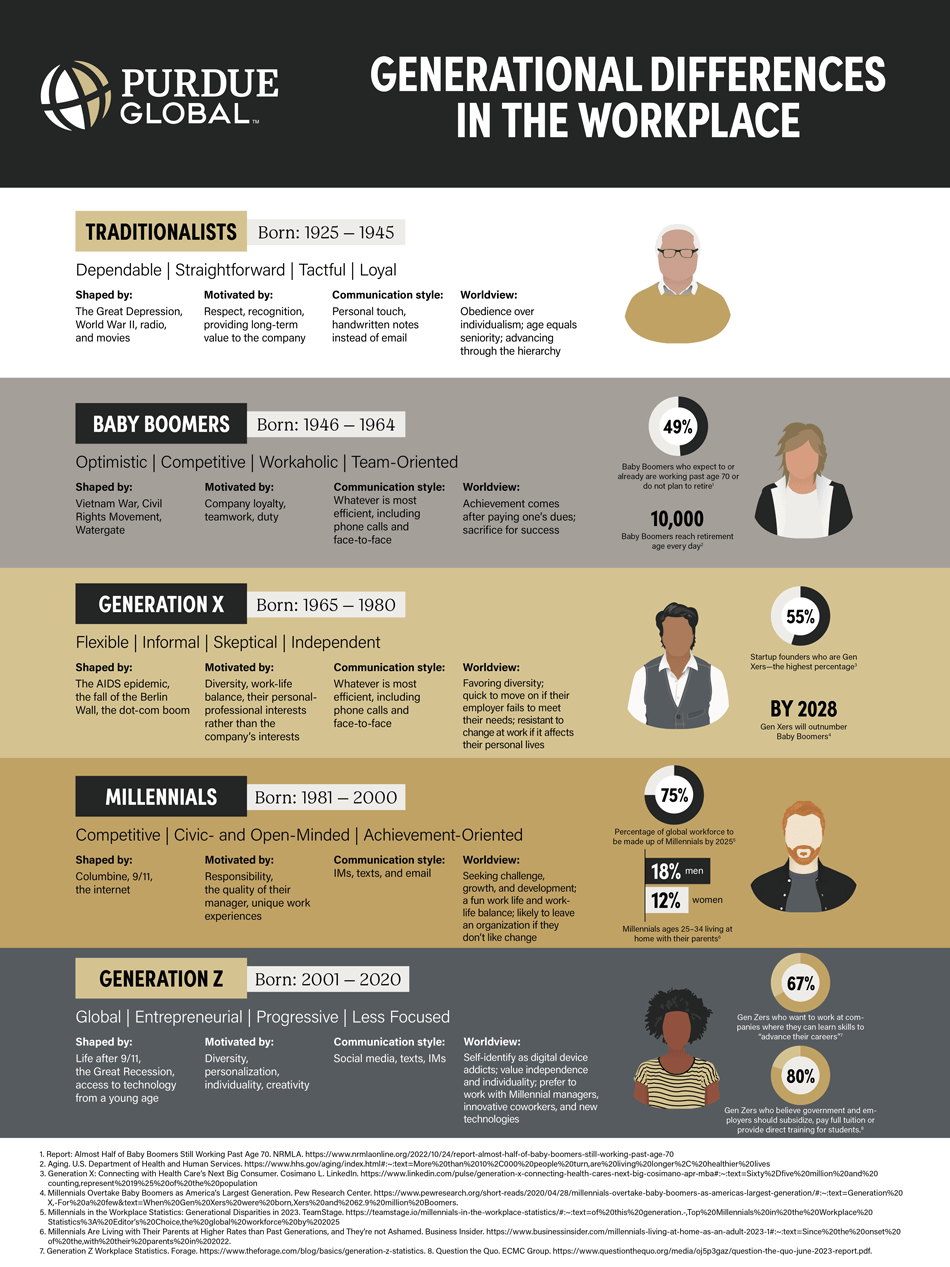
In today’s diverse workplace, mentors often find themselves guiding individuals from different age groups, backgrounds, and cultural experiences. Whether you're mentoring a Gen Z new hire or a seasoned Baby Boomer, cultural awareness and generational sensitivity are key to building trust and fostering growth.
Did you know that there are 5 different generations in the workplace?
-
-
Different generations may have varying communication styles, work expectations, and comfort with technology.
-
Cultural backgrounds influence how people give and receive feedback, express themselves, and approach problem-solving.
-
Mentors who recognize and adapt to these differences create more inclusive, respectful, and effective relationships.
-
Interested in Becoming a Mentor?
Did you know that Saber offers multiple mentorship programs across a variety of departments, designed to support professional growth and strengthen our leadership pipeline? If you’ve ever considered sharing your experience, supporting new team members, or helping shape the next generation of long‑term care leaders, we encourage you to take the next step.
To learn more or express your interest, please reach out to your Administrator or contact the Talent Development Team at Liana.Schaefer@saberhealth.com.